

Driving Sales to Your Site With a Social Media Funnel
A social media funnel is an important part of any online business. It helps you drive sales and conversions by converting website visitors into customers. In this blog post, we will discuss what a social media funnel is and how to set one up for your business. We will also provide tips on how to use it to increase traffic and conversions!
What is a Social Media Funnel?
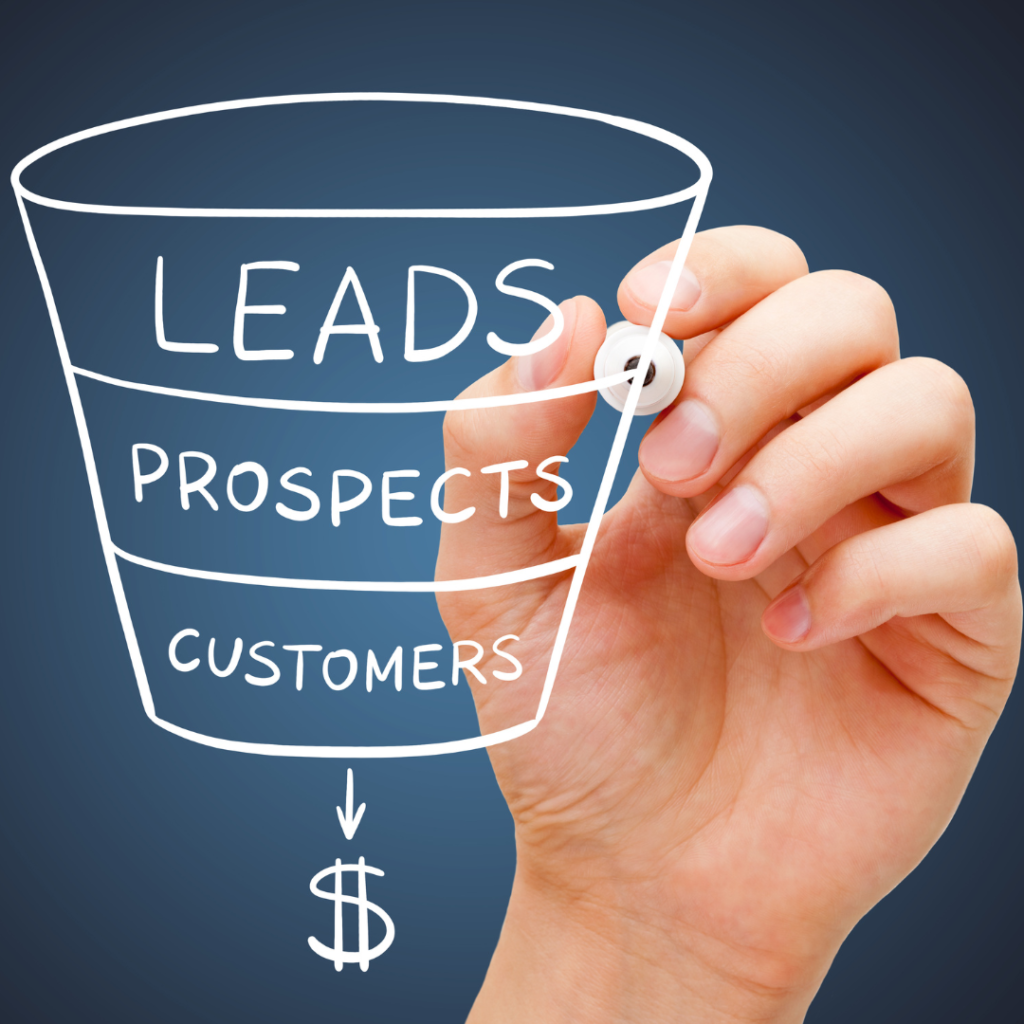
Social media funnels have quickly become a must-have for online businesses. A social media funnel is essentially an automated journey that your customers take as they interact with content on your various social media channels. It’s designed to help you nurture leads and convert them into customers.
At the top of the funnel, you create content such as blog posts, videos, or ads that attract potential customers and drive them to your social media sites. You can then use those sites to educate your audience, retarget viewers who didn’t purchase right away and keep them engaged.
Finally, at the bottom of the funnel, you offer calls-to-action (CTAs) which direct users to a page where they can purchase items or services from your business. By leveraging the power of social media marketing, you are able to take people from initial awareness through to becoming paying customers with relatively little effort.
A well designed social media funnel can help increase brand visibility, build customer loyalty and engagement and ultimately turn followers into paying customers. Therefore it is important for online businesses to ensure that they have an effective strategy in place when executing their social media campaigns.
How to Set Up a Social Media Funnel
Setting up a successful social media funnel requires careful planning and execution. Here are five steps you can take to create an effective social media funnel:
- Establish buyer personas: In order to effectively target your potential customers, it’s important to know who they are and what motivates them. Have a deep understanding of their needs, interests and behaviour so you can deliver tailored messaging that resonates with them.
- Set measurable goals: Outline what success looks like for your social media campaigns in terms of intended outcomes such as website clicks, leads or conversions. Define KPIs that will help you track progress towards those goals.
- Develop content strategy: Create high-quality content that appeals to your target audience and deliver it across multiple channels including blog posts, videos, podcasts or graphics. Offer valuable information that educates the audience on topics related to the products/services your business offers
- Deploy CTAs strategically: Once you’ve engaged users with content, use CTAs strategically throughout the funnel journey to encourage customers to sign up for newsletters, download promotional materials etc before eventually directing them towards making a purchase decision.
- Monitor performance: Keep an eye on how well your funnel is performing using analytics tools so you can optimise it over time based on user engagement data
Tips on Optimizing Your Social Media Funnel
Optimizing your social media funnel is key to ensuring it’s as effective as possible. Here are some tips to help you get the most out of your funnel:
- Prioritize quality content: Quality content should be at the foundation of any good funnel strategy. Ensure that you’re producing relatable, valuable and engaging content that resonates with your target audience and keeps them coming back for more.
- Keep an eye on analytics: Track performance metrics such as website clicks and social shares so you can identify which pieces of content are driving engagement and adjust accordingly.
- Focus on relationships: Use social media to connect with existing and potential customers by engaging in conversations, responding promptly to queries or providing product updates. This will help build stronger relationships with users over time and increase trust in your brand.
- Leverage influencer marketing: Incorporate influencers into your funnel strategy by inviting them to promote your products/services or collaborate on campaigns. This will enable you to tap into a larger audience base and boost conversion rates significantly.
- Test & optimize regularly: Run A/B tests to see what type of messaging works best for each stage of the funnel and make changes accordingly if needed, in order to maximize ROI from your campaigns.
Examples of Successful Social Media Funnels
There are many successful social media funnel examples out there that you can draw inspiration from. Here are a few:
- Dropbox: Dropbox was able to significantly increase sign-ups for the product using a combination of personalised ads, referral links and compelling content published on multiple channels such as Twitter, LinkedIn and Instagram.
- HubSpot: HubSpot created a multi-channel funnel encompassing blog posts, emails, webinars and offers to move prospects through the sales cycle at each stage. This enabled them to see better results in terms of leads generated and conversions made within their industry.
- Adobe: Adobe used influencer marketing to create a targeted campaign featuring bloggers, YouTubers and Instagrammers who promoted the company’s products by providing honest reviews and exclusive discounts via content shared across their channels. This resulted in an impressive spike in subscriptions for the company’s monthly plans.
Best Practices for Driving Sales with a Social Media Funnel
Driving sales with the help of a social media funnel can be an effective way to boost your business. Here are some best practices to keep in mind when crafting a successful funnel strategy:
Identify goals:
Start by clearly defining your objectives and setting measurable goals that you’d like to achieve, such as increasing subscribers, leads or sales.
Understand your target audience:
Get to know who your target market is and what they’re interested in so you can craft content that resonates with them and encourages engagement.
Craft compelling stories:
Create compelling stories that link each stage of the funnel together and make users feel connected to the journey of converting into customers. This will help build trust, drive engagement and increase conversions significantly.
Monitor & analyze performance:
Track campaigns regularly using analytics tools to monitor how each piece of content is performing across different channels and adjust accordingly if needed.
Test & optimize frequently:
Run A/B tests on various elements such as subject lines, images and messaging to see which ones work best for each stage of the funnel so you can maximize ROI from your campaigns.
Using a Social Media Funnel to Increase Traffic and Conversions
Creating a successful social media funnel requires understanding your target audience and crafting compelling stories that link each stage of the funnel together. It also involves leveraging influencer marketing, monitoring performance metrics such as website clicks and tracking campaigns regularly with analytics tools to measure ROI from your campaigns.
With these best practices in mind, you can create an effective strategy for driving traffic and increasing conversions on social media channels. So start building relationships with potential customers today by engaging in conversations, responding promptly to queries or providing product updates — this will help build trust in your brand over time!
